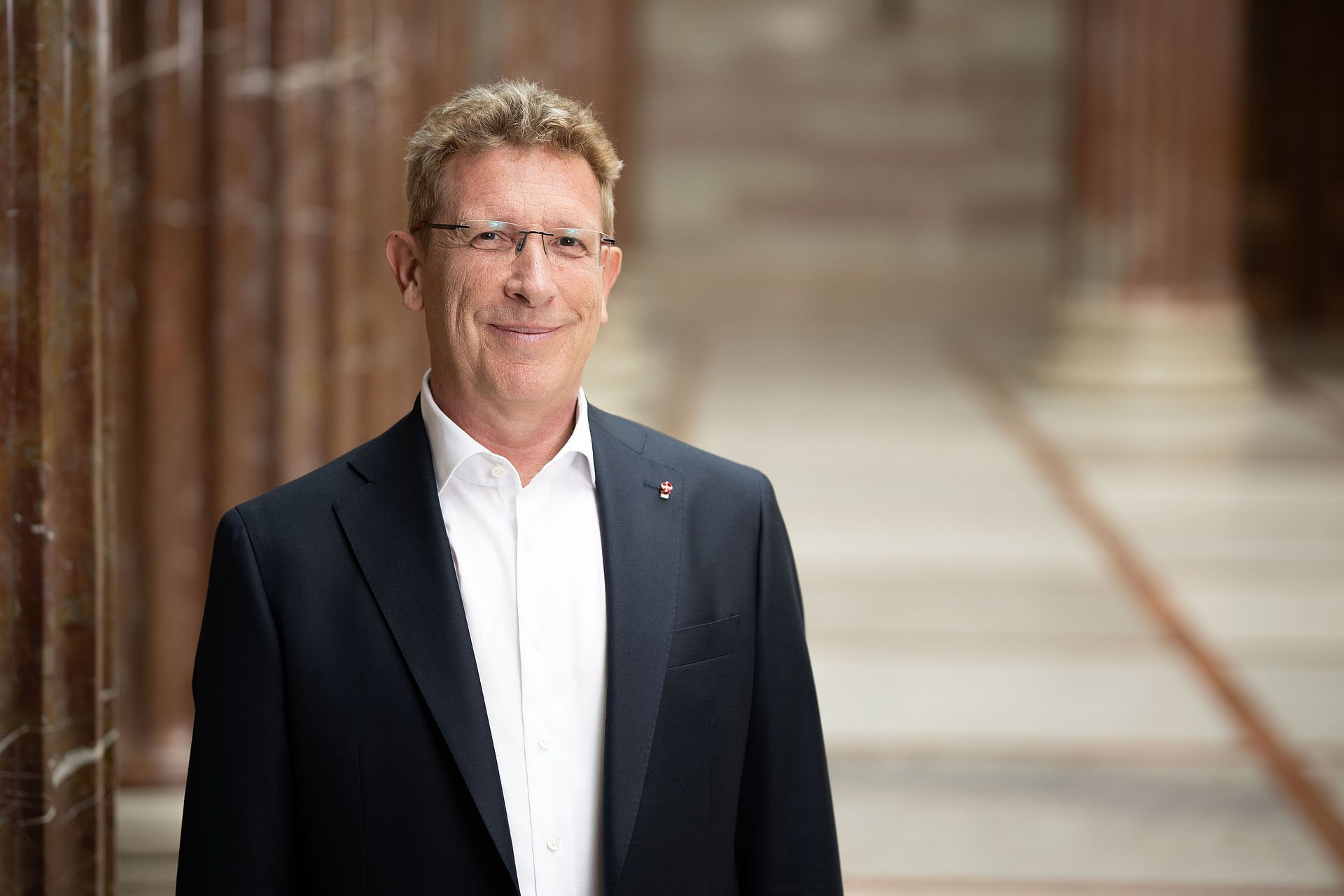
"Autonomy, self-determination and social and political participation must not be a privilege of those who can afford it themselves and without state support. Politicians must always keep this in mind, even in times of high budget pressure," says Ombudsperson Bernhard Achitz on the occasion of the European Day of Protest for the Equality of Persons with Disabilities (5 May): "Austria has committed to implementing the UN Convention on the Rights of Persons with Disabilities (UN CRPD), and the federal and state governments must align their inclusion policies with its principles."
The Austrian Ombudsman Board has been responsible for preventive human rights monitoring since 2012. Since then, progress has been made in raising awareness of the particular importance of protecting people with disabilities from violence in inpatient and outpatient care, but there are still many unresolved structural problems. Achitz: "People with disabilities still have to live in larger institutions because de-institutionalisation is going nowhere. And many of those affected do not receive the personal assistance they need to be able to live independently."
"Augmentative and Alternative Communication" is currently under review
Sometimes self-determination fails simply because people are not given the opportunity to communicate. "Realising the right to self-determination, independent living, equal rights, education or full participation in political and public life - in short, the enjoyment of human rights - is unthinkable without the possibility of personal expression or communication," says Achitz, which is why the Austrian Ombudsman Board is currently focusing on the topic of "Augmentative and Alternative Communication and Supported Decision-Making as a means of preventing violence".
In Austria, tens of thousands of people with physical, mental or multiple disabilities have problems communicating in spoken language. Because they are prevented from communicating according to their competences due to a lack of support, they have fewer opportunities to communicate and express themselves. Since November 2025, the commissions of the AOB have been asking facilities, for example, whether there is a concept for augmentative and alternative communication (AAC), whether the team has appropriate knowledge in the field of AAC or whether support groups are convened.
Example: Communicating with deaf people in sign language!
"The monitoring visits by the commissions already show that communication is one of the biggest hurdles that need to be overcome when dealing with people with disabilities," says Ombudsperson Achitz. One example: In a workshop, the commission met a deaf man who spoke Austrian Sign Language (ÖGS). However, the team at the centre mainly relied on lip-reading and "writing down and reading". The man often felt bored and isolated as he was unable to communicate properly with anyone. "Residents with ÖGS as their mother tongue should be able to communicate in this language. Staff should be trained accordingly," says Achitz.
As part of the audit focus, the Austrian Ombudsman Board is gaining an in-depth insight into the actual practice in the facilities: Is the UK applied and are the resources appropriate for those affected? Are people with disabilities involved in decisions that affect them? The aim is also to find out what measures are necessary so that people with disabilities - regardless of the type and severity of their disability - can communicate and make decisions as independently as possible. Achitz: "I will report the results to the National Council, the provincial parliaments and the public."
SERVICE: Information on the current audit focus can be found in the Ombudsman Board's report on the year 2025, Volume 2, Preventive human rights monitoring, from page 125: https://volksanwaltschaft.gv.at/berichte/berichte-an-das-parlament/