


In the ORF programme "Bürgeranwalt" (Citizens' Advocate), Ombudsperson Gaby Schwarz mediated a proposed solution between the tenant and the municipality: “According to the confirmation of the lease agreement from 1929, the buildings and glasshouses on the property are owned by the municipality. It is therefore fundamentally responsible for maintenance and demolition costs. In addition to the residential building, which is not affected by the demolition notice, a viable option would be for the municipality of Schwechat to provide the tenant with a replacement building free of charge, in which she could continue to pursue her gardening trade.”
The mayor of the municipality of Schwechat, Karin Baier, also emphasised in the broadcast that she is endeavouring to find a good, amicable solution. At a municipal council meeting at the end of September, an offer is to be made to the tenant that provides for the disposal of the dilapidated sheds and a replacement building. At the same time, the existing lease is to be terminated and a new lease with a lower rent agreed immediately. This is because 500m2 available for use by the city in future.
Inquiry: Service office of the city of Wels finally barrier-free after criticism from the Ombudsman Board
"After a year, the time has finally come: the service office of the city of Wels is finally barrier-free after criticism from the Ombudsman Board. A mobile ramp is a solution I can live with," says Ombudsperson Gaby Schwarz happily. Until now, a so-called "floating step" was a hurdle for people with disabilities. Those affected could only present their concerns with assistance via a side entrance in temporary premises. "I understand inclusion to mean something different. That is why I have repeatedly called for a solution to be found. The fact that the city of Wels has now implemented my proposal is a good example of making accessibility possible and also of the persistence of the Ombudsman Board."
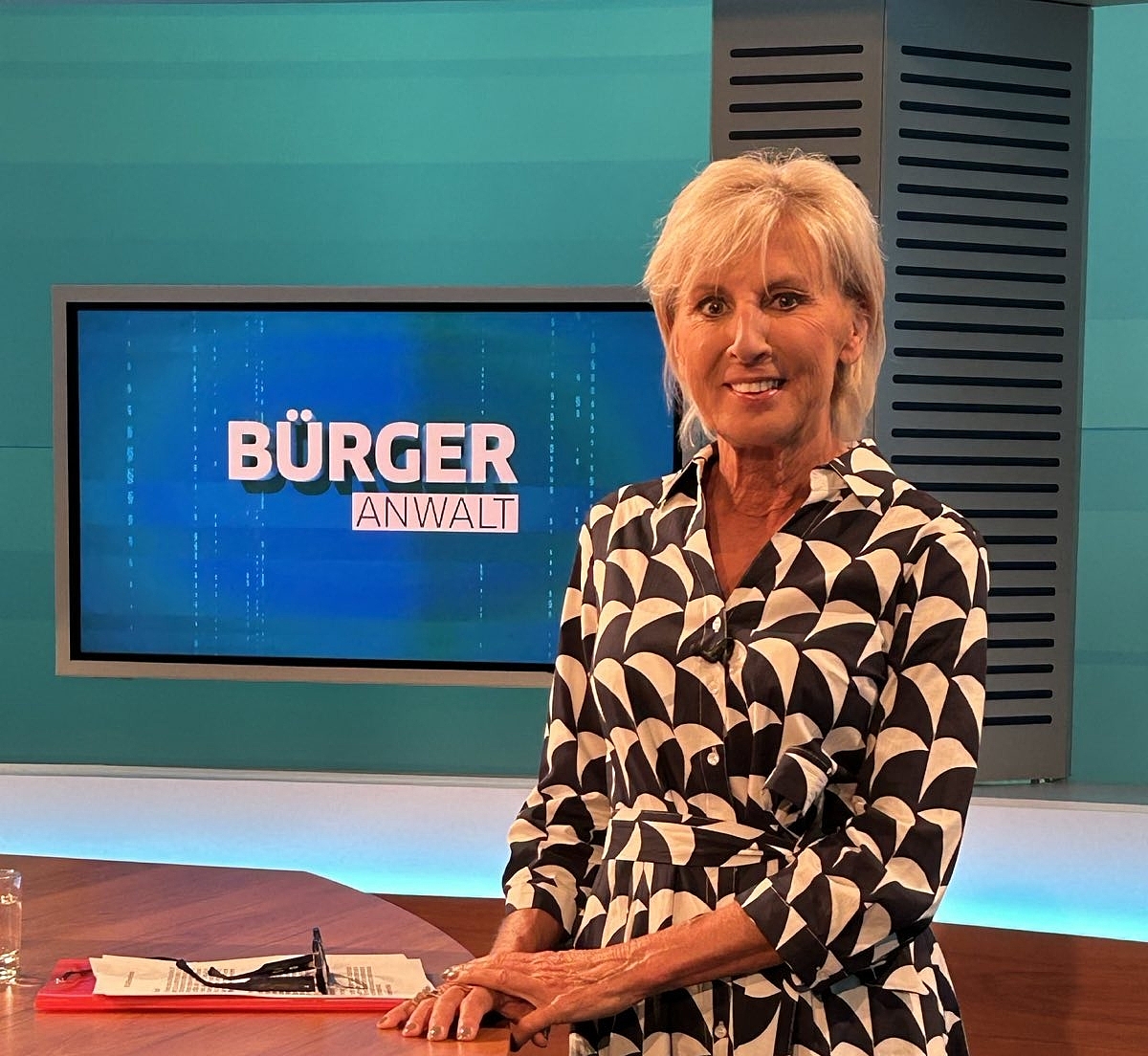 "The service office of the city of Wels is finally barrier-free after criticism from the Ombudsman Board," said Ombudsman Gaby Schwarz in the ORF programme "Bürgeranwalt". (Photo: Ombudsman Board)