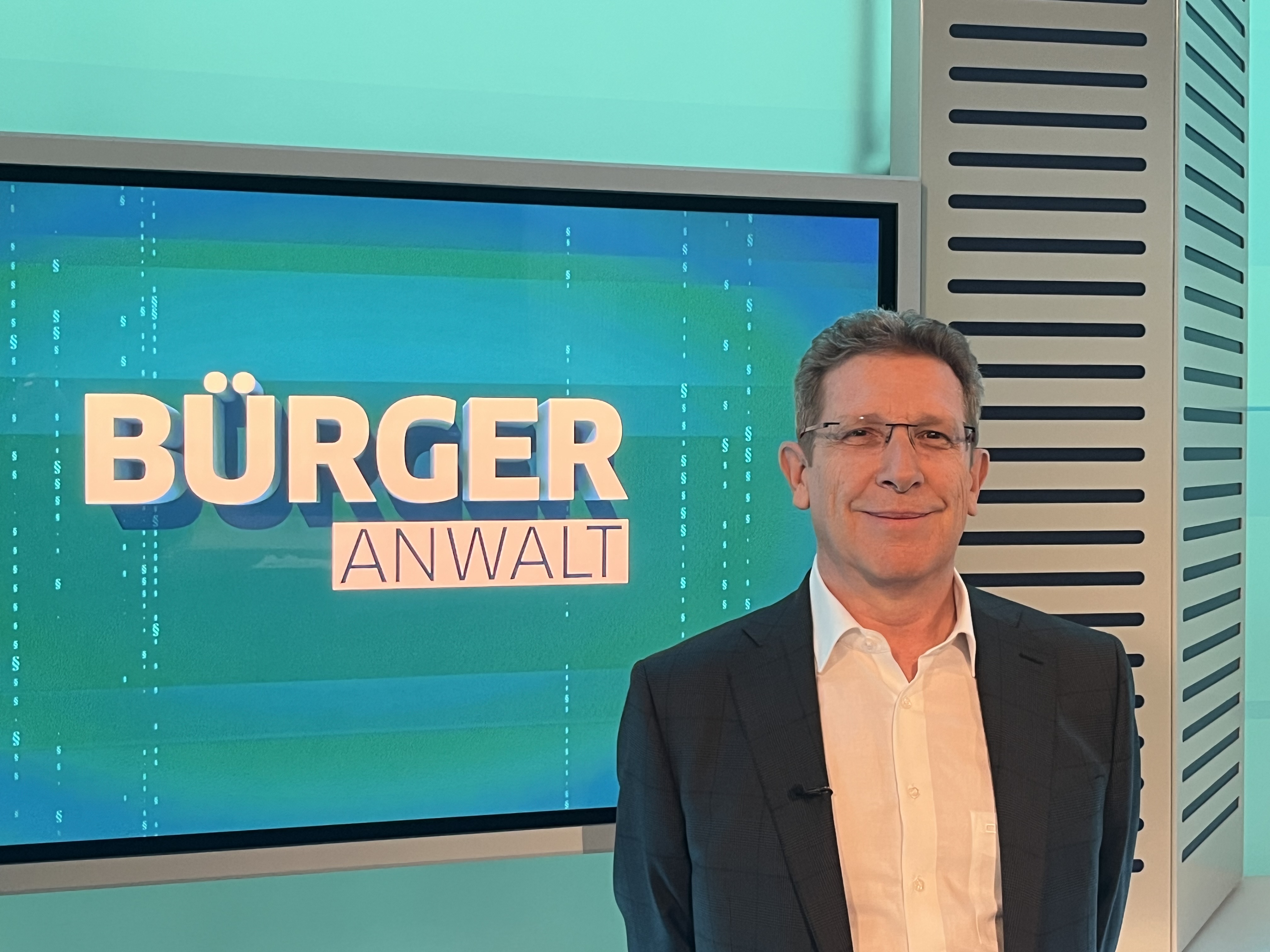
Tobias P. is four years old and has a combined developmental disorder and early-onset autism. His parents are fighting for a place on a therapy programme – but so far without success. This comes as no surprise, as in Vienna there is no therapy place available for four out of five persons concerned. For Ombudsperson Bernhard Achitz, this is a scandal: “It’s as if politicians were saying that school attendance is compulsory, but we’re only building schools for 200 out of every 1,000 pupils. The Laender – in this case, Vienna – and the health insurance funds have a duty to provide sufficient therapy places.” There is only one specialised therapy centre in Vienna. He criticises the “self-governance” of the social insurance system, which prioritises cost-cutting over the concerns of the insured: “Ever since insured employees ceased to hold the majority in the self-governing body – replaced by employers who are not themselves concerned – the social insurance leadership has preferred to indulge in fantasies of new deductibles rather than providing the necessary services.”
The only specialist therapy centre in Vienna is no longer accepting new patients
Tobias’s parents are doing everything they can to ensure their son receives adequate therapy, particularly occupational therapy and speech and language therapy. However, all attempts to secure a therapy place funded by health insurance have been unsuccessful. This was the case, for example, at a specialist outpatient clinic run by the organisation VKKJ (Responsibility and Competence for Children and Adolescents with Special Needs), which operates therapy centres in Vienna and Lower Austria. The Sonnwendviertel outpatient clinic in the 10th district is currently not accepting any new patients at all, and when places do become available, only children from the 3rd, 4th or 10th districts are accepted. However, the P. family lives elsewhere.
The majority of children diagnosed with autism spectrum disorder remain without care
In Vienna, there is an acute shortage of care for children like Tobias. According to experts, only around one in five children on the autism spectrum in Vienna receives appropriate support. This means that the vast majority of children diagnosed with autism spectrum disorder remain without care, even though they need continuous therapeutic support as early as possible to prevent them from falling even further behind in their development. Tobias P.’s family approached Ombudsperson Bernhard Achitz. He raised the issue with both the City of Vienna and the competent health insurance funds, the Austrian Public Health Insurance Office (ÖGK) and the Insurance Institution for Public-Sector Employees, Railways and Mining (BVAEB). Whilst they are aware of the problem, each sees the other as primarily responsible. Vienna is prepared to contribute to the costs if the health insurance funds set up outpatient clinics. The health insurance funds point out that there are contracts with occupational therapists and speech and language therapists whom the persons concerned can consult. However, too few are willing to enter into such contracts.
The persons concerned are entitled to a place on a therapy programme
Ombudsperson Achitz also highlighted this shortage of provision on the television programme Bürgeranwalt ("Advocate for the People") on 31 October and called on Vienna, the Austrian Public Health Insurance Office (ÖGK) and the Insurance Institution for Public-Sector Employees, Railways and Mining (BVAEB) to fulfil their obligations: “The persons concerned are entitled to a therapy place, but both the Laender and the health insurance funds are doing too little. Providing the best possible care is their shared responsibility. The Convention on the Rights of Persons with Disabilities (UNCRPD) also requires this. If there are not enough therapists, perhaps we need to reconsider how they are paid.”