


"Austria has committed itself to implementing the UN Convention on the Rights of Persons with Disabilities (UN CRPD). However, neither the federal government nor the federal states are fulfilling this obligation," says Ombudsman Bernhard Achitz on the occasion of the International Day of Persons with Disabilities (3 December): "Even though it is the federal government that has signed the UN CRPD, it naturally also applies to the federal states, which are primarily responsible for the affairs of people with disabilities."
Rights instead of handouts
"People with disabilities need rights, not handouts," says Achitz: "The aim of the UN CRPD is to give people with disabilities equal access to a self-determined life and inclusion. Inclusion means that, as far as possible, they can live as self-determined a life as other people." In 2023, the responsible expert committee identified numerous shortcomings on the part of Austria as part of the UN CRPD state review and recommended various measures to achieve the status required under international law. Achitz: "People with disabilities have a right to have these measures implemented as quickly as possible. The state review has made it even clearer that general commitments to human rights are not enough for people with disabilities."
The Austrian Ombudsman Board is constantly confronted with Austria's violations of the UN CRPD. On the one hand, it is involved in scrutinising the administration, i.e. when affected people turn to the Ombudsman Board because, for example, they are not being provided with urgently needed aids, such as power wheelchairs, or services such as personal assistance.
On the other hand, the Ombudsman Board and its commissions are responsible for preventive human rights monitoring, including unannounced visits to residential facilities for people with disabilities. Their constitutional mandate as the "National Preventive Mechanism" (NPM) is based, among other things, on the UN CRPD.
Examples from monitoring authorities and preventive human rights monitoring
The Austrian Ombudsman Board repeatedly draws attention to violations of the UN CRPD. Achitz: "We then try to find an individual solution in the interests of the person concerned in contact with the respective state or the responsible social insurance organisation. However, it is even more important to me to point out systemic problems where politics is required." Some examples of UN CRPD violations that the Austrian Ombudsman Board has recently drawn attention to:
De-institutionalisation: there is finally a need for sufficient barrier-free and community-based housing options, personal assistance and outpatient support services so that people with disabilities can live independently. Reducing the size of existing large facilities is not enough. Even more so, no new large facilities should be built. Article 19 of the UN CRPD enshrines the right of people with disabilities to lead independent lives and be included in the community. The states party to the convention must ensure, among other things, that people with disabilities have equal opportunities to choose their place of residence and decide where and with whom they live. Achitz: "What is missing is a de-institutionalisation strategy, including a timetable and funding."
Rhythm of life: If people cannot decide for themselves what time they eat and when they go to sleep, this contradicts the requirements of the UN CRPD. People who are cared for in institutions and are dependent on outside help and support should be able to lead the same kind of life as people who are not dependent on such support. They should have a similar pace of life to that at home.
Personal assistance: The Austrian Ombudsman Board used an example from Lower Austria to highlight the problems faced by people who are dependent on personal assistance. Personal assistants take over everything that those affected cannot do themselves. This is intended to enable self-determination and individualised living - as stipulated by the UN CRPD.
"Penalties" for weekends with relatives: People from Vienna and Lower Austria have complained to the Austrian Ombudsman Board because they have to pay a lot of money to their residential facility if they want to go to their families for the weekend. Ombudsman Achitz is calling for such absence regulations to be abolished without replacement. After all, people without disabilities are also entitled to decide for themselves whether they want to go away for the weekend or stay at home.
Assistance dogs: People were not allowed to take their assistance dogs to some rehab facilities etc. However: Art. 9 of the UNCRPD guarantees equal and barrier-free access to the physical environment, in particular to medical facilities and services. Art. 20 UN CRPD standardises the right to personal mobility with the greatest possible independence, in particular with technological, human and animal assistance. Following the intervention of the Ombudsman Board, assistance dogs are largely welcome in the facilities.
Sexual self-determination: In residential facilities for people with disabilities, the UN CRPD is not always fulfilled with regard to sexual self-determination. There is a lack of sex education concepts and reference persons, and in some cases overnight visits and the right to family life are restricted.
Holiday care: One girl from Styria was not provided with assistance for holiday care together with her classmates. The UN CRPD rejects special schools, and this also applies to summer care. "The girl must not be sent to an institution for the disabled and she must not be separated from her classmates. Inclusion, and therefore respect for human rights, must not be dependent on money."
Further examples can be found in the Ombudsman Board's reports to Parliament and the provincial parliaments: https://volksanwaltschaft.gv.at/berichte/berichte-an-das-parlament/
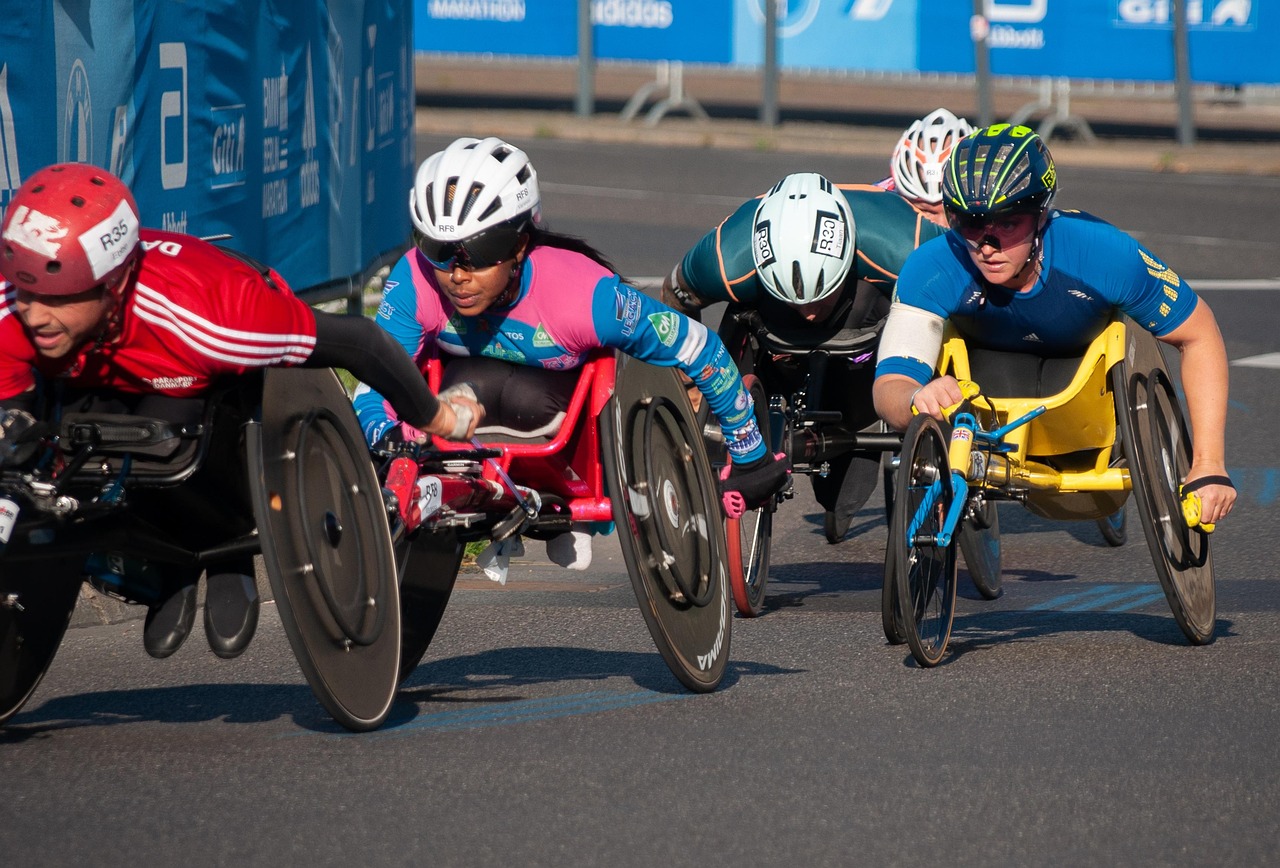 Ombudsman Bernhard Achitz: "Inclusion means that people with disabilities can live as self-determined a life as possible, just like other people." (Symbolic image/photo credit: Pixabay/wal_172619)