


80 per cent of people living in retirement and nursing homes suffer from pain. Many of them think this is normal for their age. They say nothing and nothing is done about the pain. However, pain that is not treated or not sufficiently treated has drastic consequences: Quality of life decreases, depression, anxiety and sleep disorders can be the result. The pain can become chronic.
Failure to treat pain violates the rights to health, physical and mental integrity guaranteed in the UN Convention on the Rights of Persons with Disabilities (UN CRPD) and, in serious cases, the right to protection from violence and the right to protection from degrading treatment.
Pain must be treated immediately
"Pain must be treated immediately. This is only possible if it is recognised in good time," says Ombudsman Bernhard Achitz: "The risk of pain being overlooked is particularly high in older people with dementia, cognitive impairments or communication difficulties. If people are unable to express their pain, this can also lead to violence."
The Austrian Ombudsman Board and its commissions (together they form the "National Preventive Mechanism" - NPM) focussed on pain management during their inspection visits to retirement and care homes. To this end, the commissions visited a total of 123 facilities in all federal states between July 2022 and September 2023. They spoke to 1,511 residents and inspected their documentation.
The result: in a quarter of the retirement and nursing homes visited at the time, there was no systematic, documented pain management system or no measures were in place to recognise, prevent and treat pain. In one in five facilities, no pain assessment tools were used, neither for dementia patients nor for cognitively capable residents. There was far too little training for staff on the subject of pain.
Care homes respond to criticism from the Ombudsman Board
"One year later, the first improvements are becoming apparent as a result of the audit focus," says Achitz. Many homes are aware of the need for optimisation. This was demonstrated, for example, by the fact that further training on pain management was carried out or at least planned. Pain management had now been implemented in many facilities, which was still lacking during the initial visit as part of the audit focus. Nevertheless, difficulties or avoidable hospital admissions can still occur in practice if multimodal pain treatment fails because members of other healthcare professions (especially doctors) are not available or not available quickly enough, for example at night or at weekends. "We will continue to keep a watchful eye on the situation in retirement and nursing homes," Achitz assures us.
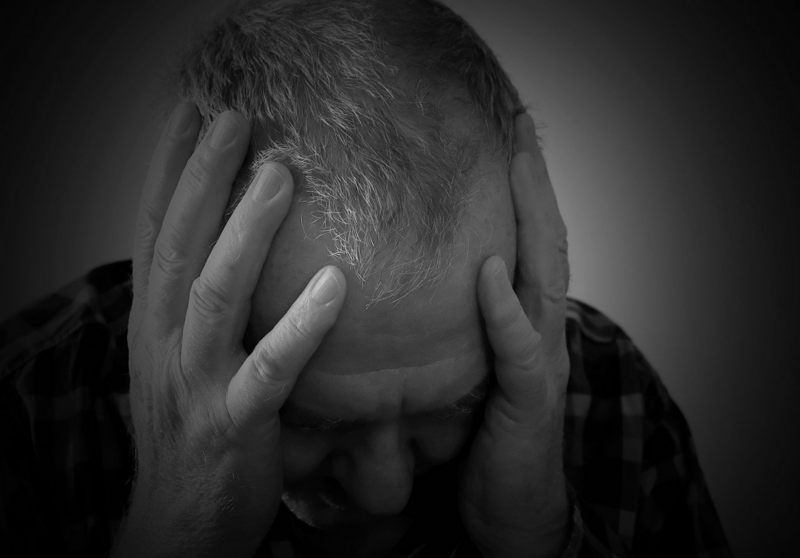 Ombudsman Achitz: "Many retirement and nursing homes have now implemented pain management."
Picture credits: Gerd Altmann / Pixabay
Ombudsman Achitz: "Many retirement and nursing homes have now implemented pain management."
Picture credits: Gerd Altmann / Pixabay