


Experts from a wide range of specialist areas travelled from all over Austria to discuss the current challenges in the field of preventive human rights monitoring. On the first day of the event, lawyers from the Austrian Ombudsman Board presented the new audit priorities for the different types of institutions. In the coming months, for example, the commissions in the area of police inspectorates will carry out more checks to ensure that detainees have sufficient monthly hygiene articles and clean blankets at their disposal. In police detention centres, checks will be carried out on how detainees are checked upon admission, how they are undressed and how complaints, in particular allegations of mistreatment, are dealt with. Prisoners with specific care needs will be the focus of inspection visits to the detention centres as part of a further inspection priority. The first audit results have already been discussed with regard to the focus on discharge management in psychiatric wards. In the subsequent working groups, the experts reported on their experiences during the inspection visits to the facilities and what observations they were able to make regarding the new inspection priorities.
New approaches for juvenile offenders
The participants were able to take away many new ideas on the second day. Tamara Höfer from the "Richtungswechsel" association spoke about the Europe-wide projects for juvenile detention in small groups and how juvenile offenders - but also society - benefit from this alternative. Erwin Ditsios, an expert on illness and school, who supervises a time-out group in Styria, reported on how suspensions from school and violence at schools can be minimised. In a concluding discussion round, the participants learnt how criminal offences, violence and extremism among children and young people can be successfully prevented. The two TikTok stars Uwe Schaffer and Ahmad Mitaev, better known as "Cop and Che", the Viennese youth social worker Fabian Reicher, the lawyer Martin Engelbrecht and the social pedagogue Nicole Ortner, Managing Director of Arbeitskreis Noah, shared their experiences with violent young people and discussed with the participants how to better reach this group and what can be done preventively.
Ombudsperson Bernhard Achitz, who moderated the event, expressed his thanks for the diverse input and the stimulating discussions: "A constant exchange with experts is particularly important for the work of the Ombudsman Board, not only on current topics, but also with regard to the further development of preventive human rights monitoring."
What is the National Preventive Mechanism?
Every year, the National Preventive Mechanism meets to share experiences, to discuss the previous year's activities and to gather new ideas. This so-called "National Preventive Mechanism" (NPM) is formed by the Austrian Ombudsman Board together with its seven commissions. The NPM monitors facilities and places where freedom is restricted, inspects facilities for people with disabilities and observes police operations. The basis for this is the "UN Optional Protocol to the Convention against Torture and Other Cruel, Inhuman or Degrading Treatment or Punishment" (OPCAT) and the UN Convention on the Rights of Persons with Disabilities (UN CRPD), which Austria has committed to upholding vis-à-vis the United Nations. The aim is to improve the human rights framework conditions in institutions. The Austrian Ombudsman Board supports institutions, organisations and legislators to ensure that human rights violations do not occur in the first place.
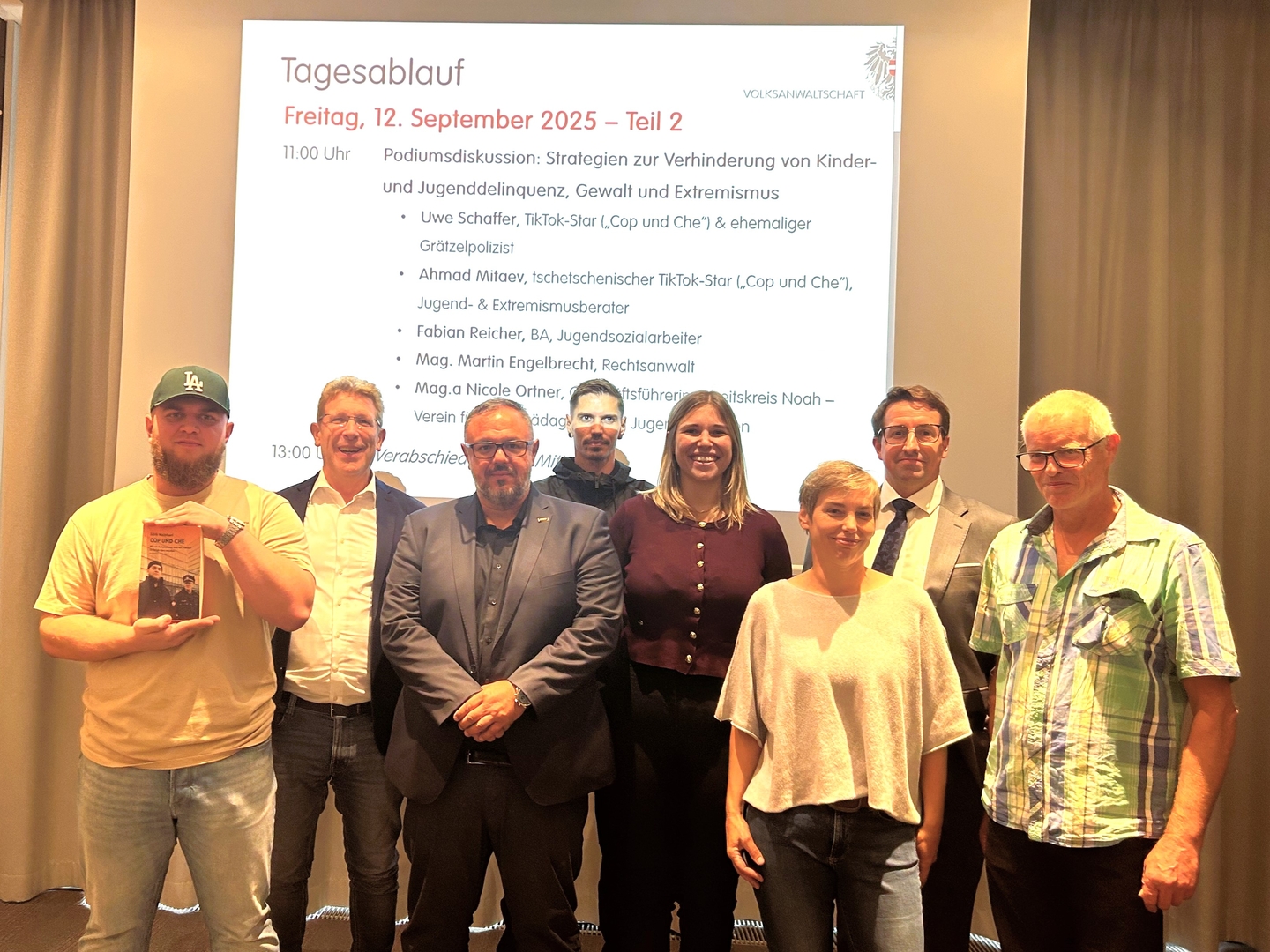 The experts who gave presentations introduced new projects and provided plenty of new food for thought.