Dragan V., from Lower Austria, is suffering from a serious illness. The former lorry driver requires round-the-clock mechanical ventilation. These days, this no longer means having to move into a care home – ventilation is also possible in the comfort of one’s own home. As a result, Dragan V. can return to living at home after a period in a care home. To ensure he does not suffocate in the event of complications, a competent and specialised home care nurse must always be present. Whilst the Austrian Health Insurance Fund (ÖGK) has agreed to pay its share of the costs, the State of Lower Austria refuses to do so. Ombudsperson Bernhard Achitz: “Lower Austria is ignoring the fact that people have a legal right to care at home. The fact that the state is only willing to pay if the patient is classified as care level 7 is purely arbitrary and not in accordance with the law.” Lower Austria is obliged by the Constitution and by the UN Convention on the Rights of Persons with Disabilities (UN CRPD) to fund this care.
Supreme Court ruling: Federal states and health insurance funds must pay
A corresponding Supreme Court ruling has now been issued. Social security is responsible for medical care, whilst the state and local authorities are responsible for nursing care. Time and again, people turn to the Austrian Ombudsman Board because the state or the relevant health insurance funds do not consider themselves responsible for medical home care, or cannot agree on who should pay what. “We finally need the promised, uniform solution across Austria. Care must be organised swiftly. The state and the health insurance fund should sort out amongst themselves afterwards who covers which part of the costs. But the disputes must not be at the expense of the most seriously ill people,” demands Achitz.
The Province of Vienna pays, but the BVAEB refuses
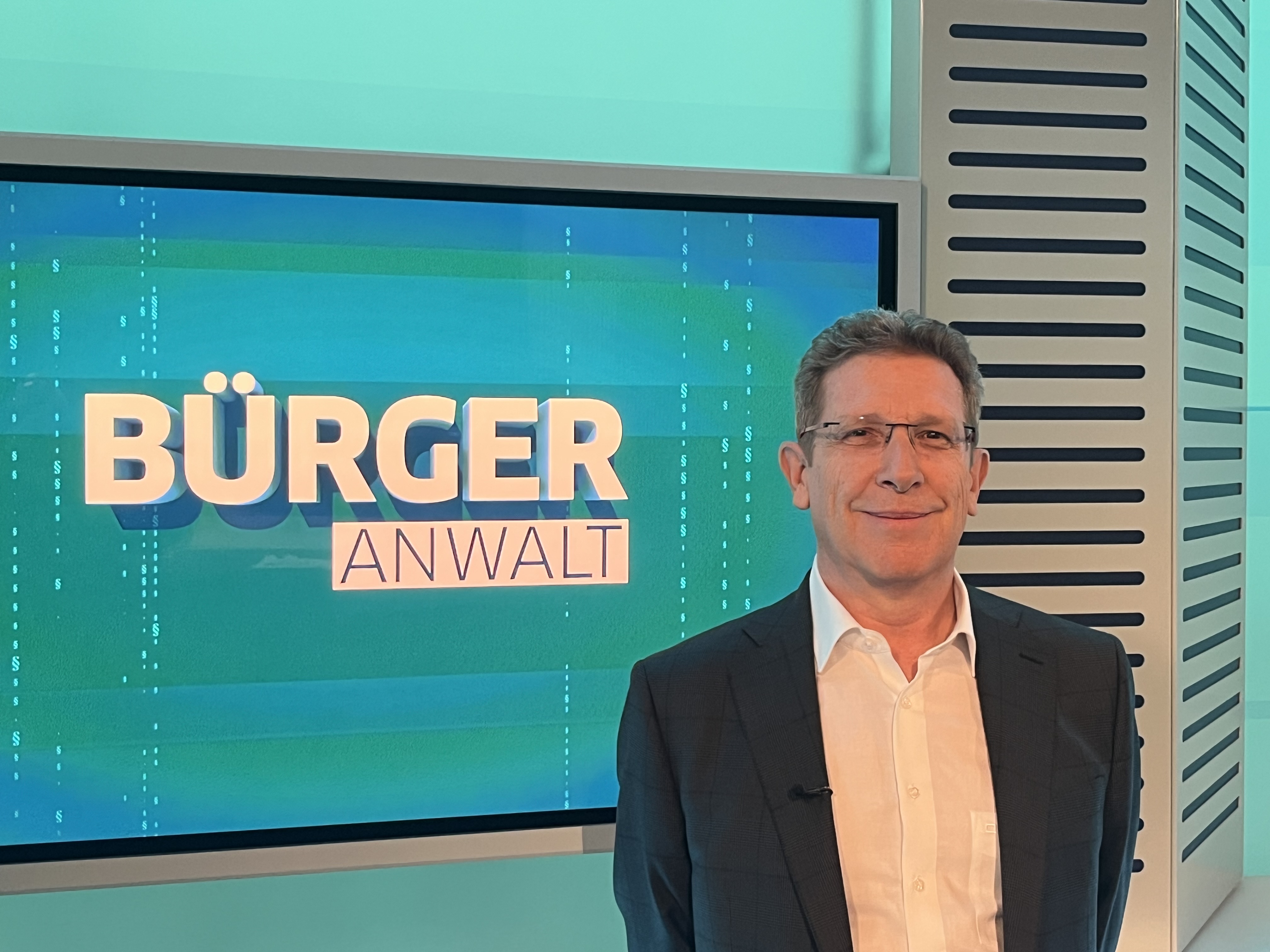
In another case, which Achitz highlighted on the ORF programme “Bürgeranwalt” on 12 September, the state – specifically Vienna – is prepared to pay, but the Austrian social insurance institution BVAEB, as the responsible health insurance fund, is refusing to do so. Herta K., aged 74, finances her home care herself using her pension, her care allowance and her savings. The Vienna Social Fund (FSW) is prepared to pay, but the BVAEB is not. The health insurance fund wanted to move Herta K. into a care home. Achitz said: “The letter from the BVAEB was neither citizen-friendly nor in line with the legal situation.” It was only after the Austrian Ombudsman Board intervened that the BVAEB signalled it might back down.
Patients suffer because there are nine federal states and many health insurance funds
In theory, the federal government and the regional states have already agreed on a uniform solution. “We have finally succeeded in getting joint funding for non-hospital long-term ventilator care in a home setting approved at the meeting of the Federal Target Steering Committee,” said State Secretary for Health Ulrike Königsberger-Ludwig in April. Ombudsperson Bernhard Achitz: “It is high time that the regional states also adhered to this. It is unacceptable that people have to wait for their rights simply because Austria is fragmented into nine regional states and numerous health insurance funds.”