


"If a person's basic needs are impaired or restricted, then that is already violence. Trivialising wishes, using infantile language, criticism and shaming as a result of physical or mental impairments, forcing or preventing contact with others or the threat of coercion are acts of violence, regardless of whether they are intentional or unintentional." People with disabilities, as well as the very elderly and people in need of care, are particularly at risk of having their basic human rights violated.
The commissions of the Austrian Ombudsman Board visit retirement and nursing homes, among other places, as part of their preventive human rights monitoring, and the commission members come across institutional heteronomy and systemic violence in this environment. They range from cases of a lack of self-determination (fixed meal and sleeping times, showering day, etc.) to neglect (ignoring needs, waiting too long for help, inadequate help with everyday life, etc.) and sometimes physical or psychological abuse.
Lack of staff leads to restrictions on freedom
Achitz emphasises that it is only in the rarest of cases that malicious intent leads to violence in care homes: "Care workers do their best. The inspections carried out by our commissions show that human rights violations are very often a result of staff shortages." The staff shortage leads to less activation and occupation of residents. The staffing situation is becoming increasingly acute, not only in care and nursing homes, but also in facilities for people with disabilities, which is not without consequences. A record number of newly reported restrictions on freedom were recorded in 2022. This figure rose again in 2023, which is an extremely worrying development. The most common type of restraint is medication, often in combination with other - mechanical or electronic - restraints on liberty.
Gaps in pain treatment
Physical abuse can also occur by omission, for example when older people are denied the diagnosis and treatment of pain. The Austrian Ombudsman Board pointed this out in its most recent presentation of an audit focus. "Pain must be recorded systematically and in a standardised manner for all residents," demands Achitz: "Standardised pain management is particularly necessary when caring for people with dementia or other cognitive or verbal impairments."
In a quarter of the retirement and nursing homes visited by the Ombudsman Board's commissions as part of the focus audit, there was no systematic, documented pain management at all, or no measures for recognising, preventing and treating pain were applied. In one in five facilities, no pain assessment tools were used, neither for dementia patients nor for cognitively capable residents.
Care documentation ensures quality and can prevent violence
In addition to violence prevention concepts that are actually practised in the homes, comprehensive and complete care documentation is essential. "The obligation to document is not bureaucratic harassment, but an instrument of quality assurance. It is often the only way, especially in the case of non-verbal older people and residents with disabilities or dementia, to check later whether mistakes have been made in care," says Ombudsman Achitz: "Care documentation also serves to prevent violence." If providers of retirement and care homes want to make work easier for their employees, they procure time-saving and non-manipulable electronic documentation systems."
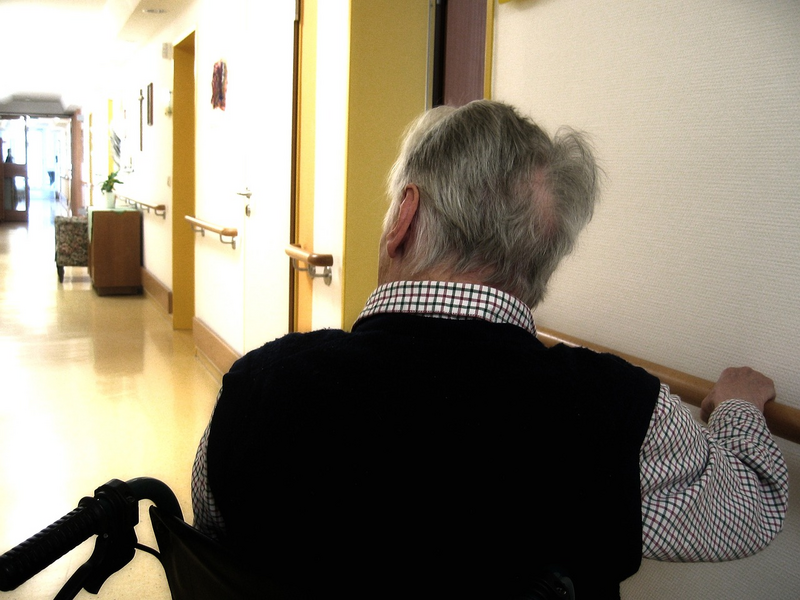 People with disabilities, as well as the very elderly and those in need of care, are particularly at risk of having their basic human rights violated.
Picture credits: Gerd Altmann/Pixabay
People with disabilities, as well as the very elderly and those in need of care, are particularly at risk of having their basic human rights violated.
Picture credits: Gerd Altmann/Pixabay