


The Constitutional Court also demands such investments by the public sector, Achitz reminds us. According to a ruling, "free self-determination (...) presupposes that they are informed about treatment and action alternatives, such as hospice care and palliative medical measures in particular, the actual availability of which the state must also guarantee."
Hospice culture and palliative care is an approach to care that promotes the quality of life of dying people until the end and enables them to die with dignity. Holistic care, palliative medical care and pain therapy cater to psychological, social and spiritual wishes. This type of care requires specialised knowledge and experience. Achitz: "Together with hospitals and doctors' surgeries, long-term care facilities provide 80 to 90 per cent of palliative care. It is therefore essential to expand the integration of hospice culture in care homes across the board and in line with demand."
Dying in familiar surroundings
Most people want to die in their familiar surroundings. Hospitalisation in the last days of life can be a great burden for palliative patients. In 2022/23, as part of its preventive human rights monitoring in retirement and nursing homes, the Austrian Ombudsman Board therefore investigated whether dying in familiar surroundings is generally possible. Almost all of the facilities visited (97 per cent) aim to avoid transferring the dying to hospitals. The possibility of dying with dignity in the home is a priority. However, personnel factors are decisive, namely medical care, nursing expertise and links to mobile hospice services.
At the time, only 63 per cent of the facilities stated that there was training for palliative care. Ombudsperson Achitz: "Comprehensive and regular training is needed for staff from all professional groups and hierarchical levels to ensure that all staff are familiar with the principles and needs of palliative and hospice care."
The project "Hospice culture and palliative care in nursing homes" (HPCPH)
The project "Hospice Culture and Palliative Care in Nursing Homes" (HPCPH) was developed by Hospice Austria in 2004, starting in Vorarlberg. It is a comprehensive, three-year organisational development process focused on hospice and palliative care. The aim is to train 80 per cent of employees from all professional groups involved in patient care. At the time of the Ombudsman Board's focus audit, only 18 per cent of the facilities visited had HPCPH certification. Achitz: "But at least numerous care homes were planning certification. The Ombudsman Board will continue to keep an eye on the situation. Quality of life and self-determination must also take centre stage in the last phase of life."
Audit focus on pain management and palliative care in retirement and nursing homes Results and recommendations: https://volksanwaltschaft.gv.at/fileadmin/user_upload/Downloads/Presse/Presseunterlagen/PK_Pr%C3%BCfschwerpunkt_APH_17.04.2024.pdf
Keyword: Preventive human rights monitoring
The Austrian Ombudsman Board (AOB) has the constitutional mandate to scrutinise public and private institutions in which people are or may be restricted in their freedom in order to protect and promote human rights. In addition to prisons, this also includes psychiatric institutions, retirement and nursing homes, facilities for people with disabilities as well as children's and youth hostels.
Multidisciplinary commissions of the AOB inspect around 500 facilities per year, in the vast majority of cases unannounced, without any specific cause and regardless of complaints. This is based on two United Nations conventions: the Optional Protocol to the United Nations Convention against Torture and Other Cruel, Inhuman or Degrading Treatment or Punishment (OPCAT) and the UN Convention on the Rights of Persons with Disabilities.
The aim of preventive human rights monitoring is to identify framework conditions that are likely to contribute to human rights violations. Institutions are supported in focussing on precautions and measures that prevent human rights violations.
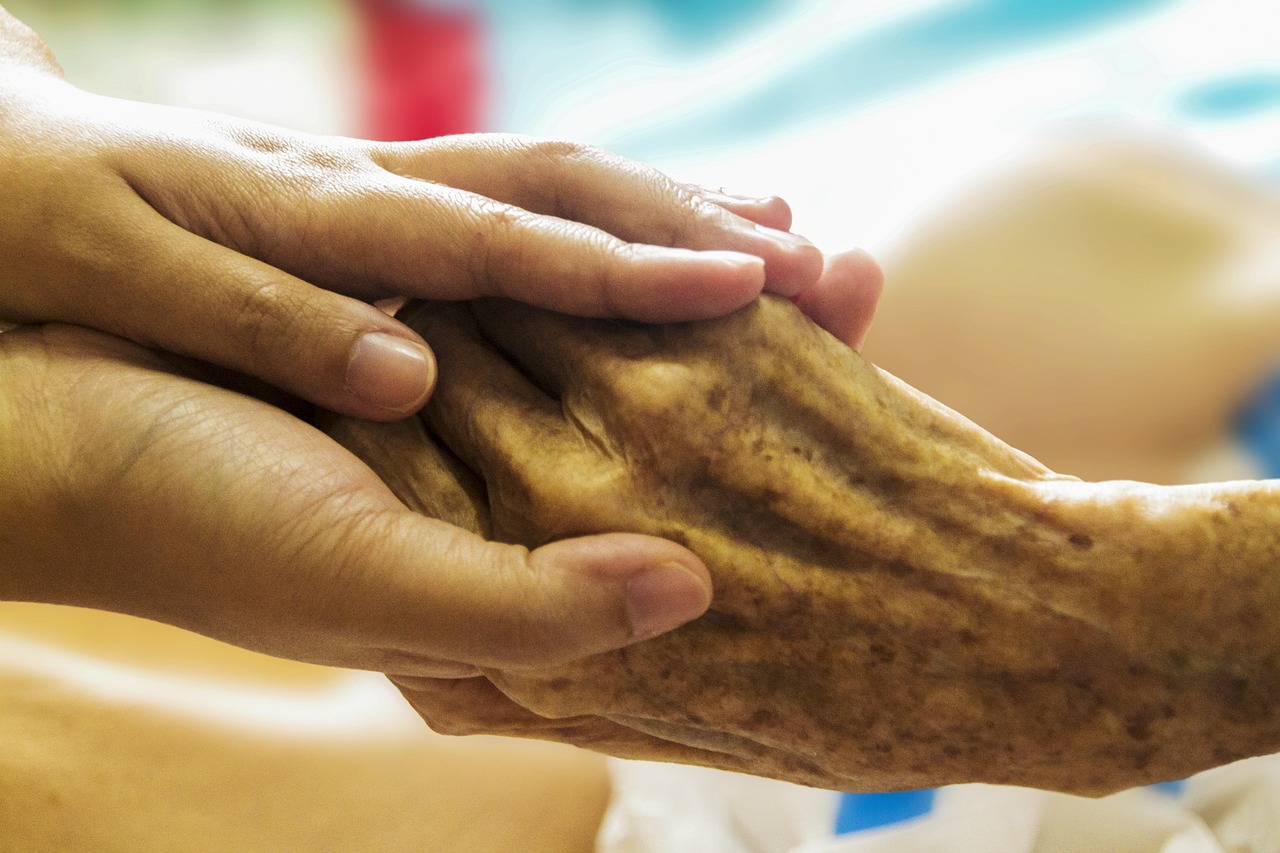 Hospice culture in care homes must be expanded across the board and in line with demand. (Photo credit: Pixabay/truthseeker08)